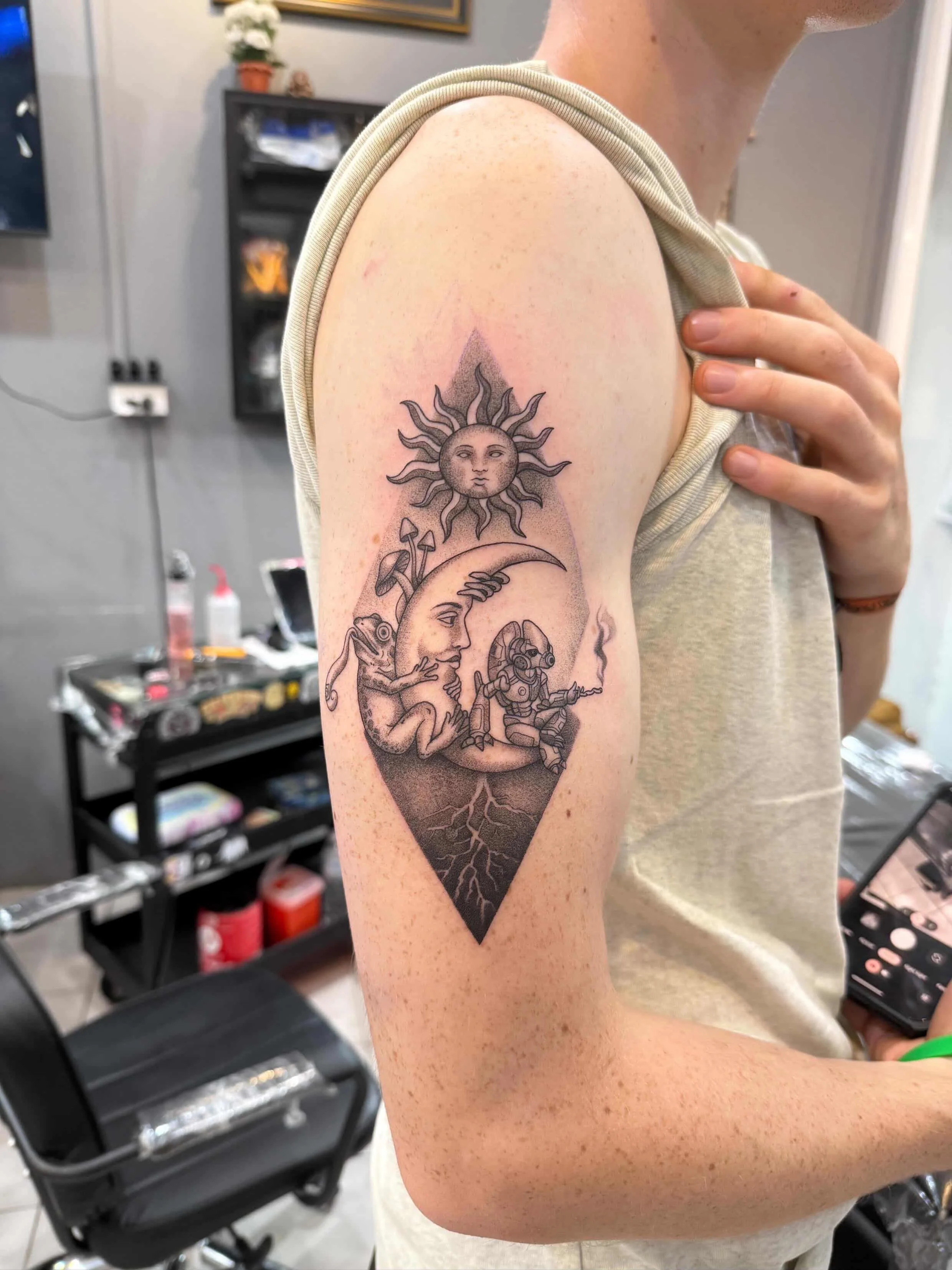
Deep Dive into Tattoo Pricing: How Much Does a Tattoo Cost and What Are You Paying For?
When it comes to body art or getting a tattoo, one of the most common questions everyone asks first is: "How much for this design?"
For beginners planning their very first tattoo or even seasoned tattoo enthusiasts looking for a new studio, understanding how tattoo pricing works is crucial. Tattoos aren't mass-produced products; they are living pieces of art that stay with you for life. This article explores how tattoo prices are determined and what your money is actually paying for.
Current Tattoo Pricing Models
Generally, tattoo artists and shops use four primary methods to calculate prices:
1. Size-Based Pricing
This is the most popular method for small to medium-sized tattoos, such as the size of a coin, 2x2 inches, or palm-sized. Artists estimate prices based primarily on width and height.
2. Hourly Rate
Commonly used for large, highly complex pieces such as Realism, Full Back pieces, or Japanese Irezumi styles. Rates are billed per hour (e.g., anywhere from 1,500 to 5,000+ Baht per hour, depending on the artist's reputation and skill level).
3. Flat Rate / Piece Rate
The artist gives a fixed quote for the entire piece before starting, factoring in the design, size, placement, and complexity. This is ideal for custom designs created specifically for you.
4. Session Rate
For large projects that require multiple appointments (like a full sleeve), artists may charge a fixed rate per session or per day.
4 Main Factors That Influence Tattoo Prices
Why would a coin-sized star tattoo cost 500 Baht at one shop and 3,500 Baht at another? Here is the reasoning behind the price differences:
Artist's Skill & Reputation: Artists with high recognition, unique techniques, or international awards command higher value for their craft—much like buying art from a renowned painter.
Complexity & Detail: A simple minimalist line art piece takes a fraction of the time compared to a Black & Grey shading piece or a vibrant Color tattoo that requires careful blending and high precision.
Placement: Certain areas of the body are harder to tattoo, featuring tight or delicate skin (such as ribs, inner elbows, fingers, or the face). These require advanced skill and care, which can influence the price.
Hygiene Standards & Equipment: Quality tattoo studios use single-use sterile needles, world-class professional inks (like Dynamic or Eternal), medical-grade sterilization equipment, and proper studio setups. These overhead costs ensure your safety and reflect in the price.
A Word of Caution: "Cheap and Good" Rarely Exists in Tattooing
An unrealistically cheap tattoo often comes with risks that you might regret later:
Low-quality ink that fades quickly or turns into a muddy green color over time.
Inexperienced artists with unstable hand control, leading to blowouts, blurred lines, or keloid scarring.
Poor sanitation standards and health risks related to infections.
Investing in a skilled artist and a certified, hygienic studio is the best way to ensure your tattoo looks stunning, sharp, and safe for years to come.
Do you have a dream tattoo design in mind, or do you have any tattoo pricing experiences you'd like to share? Let's talk about it!